Why does my radiator leak only when the heat is on?
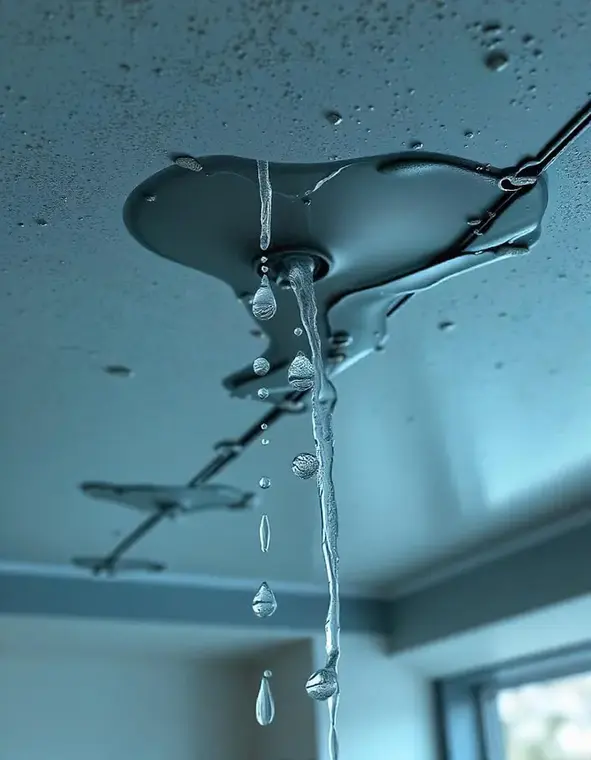
Steam valves and air vents often weep only under pressure. As the system heats, the packing or vent lets water out, and it stops when the heat cycles off.
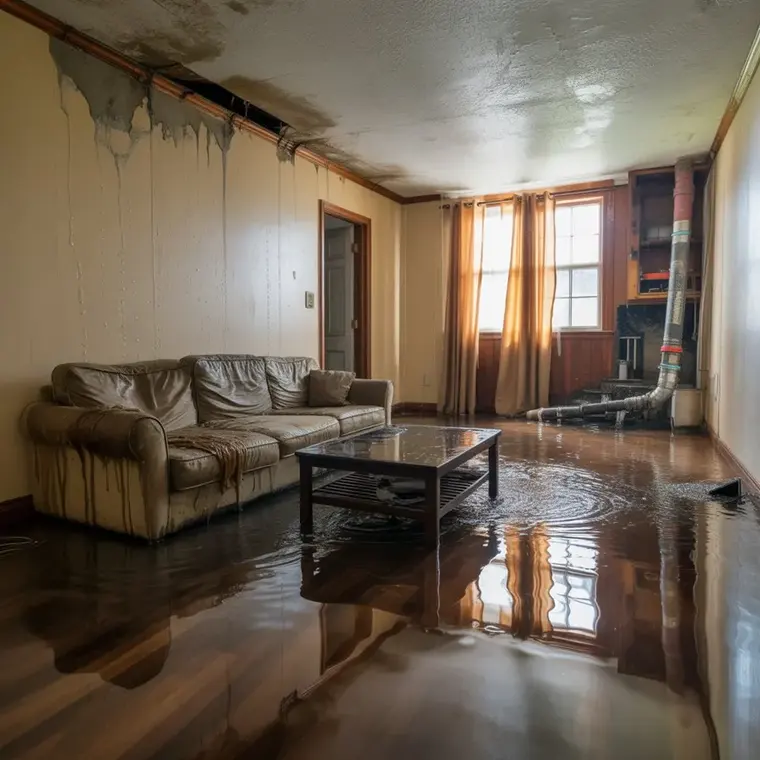
Woodside still heats with steam and hot-water radiators, and they leak at valves, vents and boiler relief lines. The drying team dries the floor under the radiator and the ceiling below before the hardwood cups.
(888) 527-9860Radiator leaking into the floor? Call now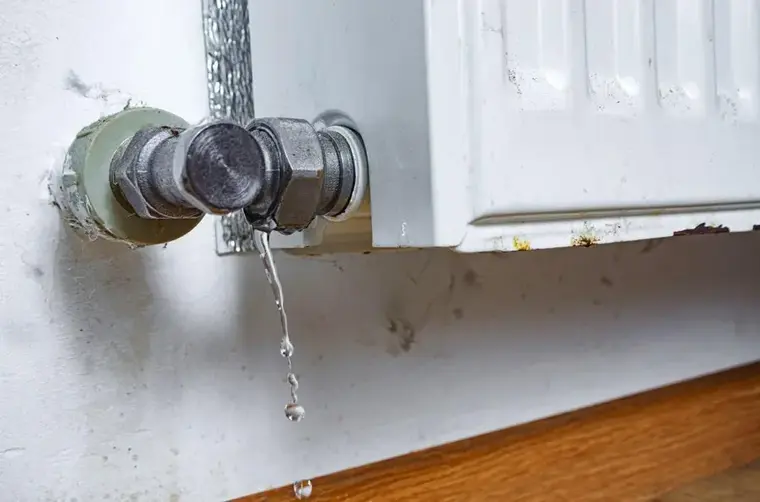
For a steam system, lower the thermostat. For a hot-water system, closing the radiator valve may stop it; call the boiler technician for anything more.
Towels and a shallow pan under the valve keep water off the hardwood while help is on the way.
Look for stains or drips in the room or unit underneath the radiator.
Close-ups of the leaking valve, vent or pipe and the stained floor help the claim.
In Woodside, NY, radiator and boiler leak cleanup typically runs $800 to $3,500 for a floor under one radiator, and $3,500 to $9,000 when the water reached the ceiling below or a boiler room flooded. How long it leaked, hardwood versus other flooring and the number of floors involved set the number.
For a planning number on your own loss, try the water damage cost calculator. The final figure comes from the on-site walkthrough and the moisture map.
Pinless meters and thermal imaging map the wet boards, the subfloor and the ceiling below the radiator.
Surface water comes up with extraction tools; hardwood gets drying mats that pull water up through the boards.
Air movers, LGR dehumidifiers and mats run on the floor while air goes into the ceiling cavity below.
Readings on the boards and subfloor are logged daily until they meet the drying goal.
Walk into a Woodside two-family house or a walk-up off Skillman Avenue in January and you will hear the radiators knock. Steam and hot-water heat is durable, but it is old, and its leaks are slow, hot and easy to miss until a floorboard lifts or a stain appears on the ceiling below.
Steam systems leak mostly as condensate at the valve; hot-water systems stay under pressure and can leak steadily. Either way, the water lands on hardwood and runs into the subfloor.
Hardwood that is cupped is not always lost. The drying team lays drying mats that pull moisture up through the boards, runs LGR dehumidifiers, and watches the readings. Boards that flatten as they dry can often be sanded and refinished; boards that crown or split after drying are replaced. Dense wood takes longer than drywall, so a hardwood dry-out often runs past the three to five days typical for a contained loss.
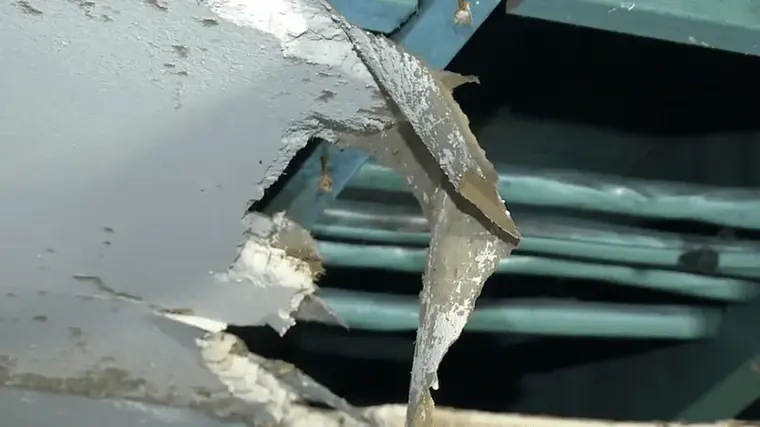
A radiator leak on the second floor usually shows up first on the first-floor ceiling. The extraction crew checks the plaster below with meters and thermal imaging and dries the cavity, as described on the ceiling leak page. In the cellar, a failed relief valve or feed line can put water across the boiler room floor, and boiler water carries treatment chemicals, so it is handled as Category 2.
Tenants with heat or hot water problems can find building rules through NYC Housing Preservation and Development, and Energy Saver covers heating system basics.
The Woodside restoration crew works every section of 11377, from Winfield to Boulevard Gardens, plus Sunnyside, Jackson Heights, Elmhurst, Maspeth, Astoria, East Elmhurst.
See every Woodside section coveredSteam valves and air vents often weep only under pressure. As the system heats, the packing or vent lets water out, and it stops when the heat cycles off.
Often, yes. Drying mats and dehumidifiers pull the moisture out, and boards that flatten can be refinished. Readings show which boards need replacing.
A heating or boiler technician repairs the valve, vent or boiler. The restoration team dries the floors, ceilings and walls the water reached.
Boiler water often carries treatment chemicals and rust, so it is treated as Category 2 and cleaned before drying.
Drywall and plaster often dry in three to five days; hardwood and subfloor usually take longer.
Sudden leaks are more often covered than slow ones that ran for weeks. Coverage depends on your policy, so it is worth checking with your own insurer.
Slow heat leaks run for weeks under a radiator. Drying mats and readings save hardwood that looks lost.