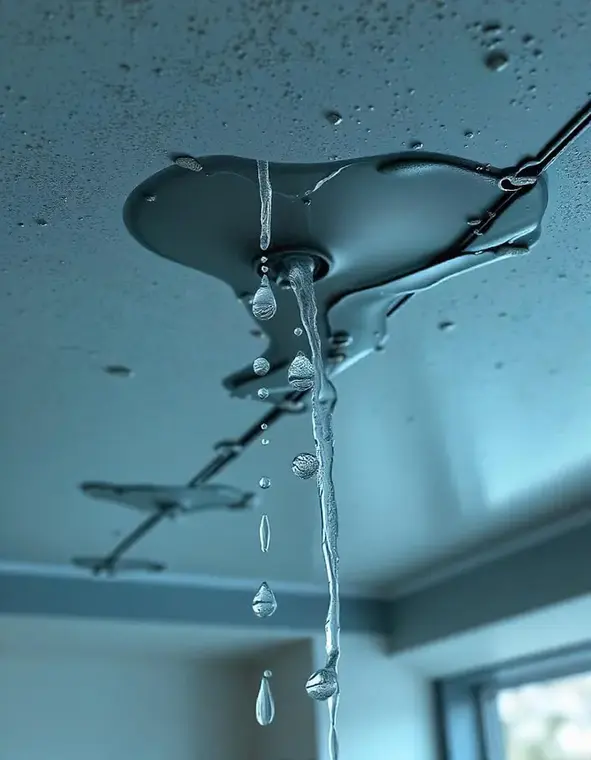
How do I know if the stain is from the roof or a pipe?
Roof leaks usually show after rain and on the top floor, often near an exterior wall. Pipe leaks show any time. Thermal imaging and the weather history help tell them apart.
Attached houses and walk-ups in Woodside mostly have flat roofs with parapet walls, and when the membrane or flashing fails, the top floor takes the water. The drying team dries the ceiling, the insulation cavity and the walls below.
(888) 527-9860Roof leaking into the top floor? Call now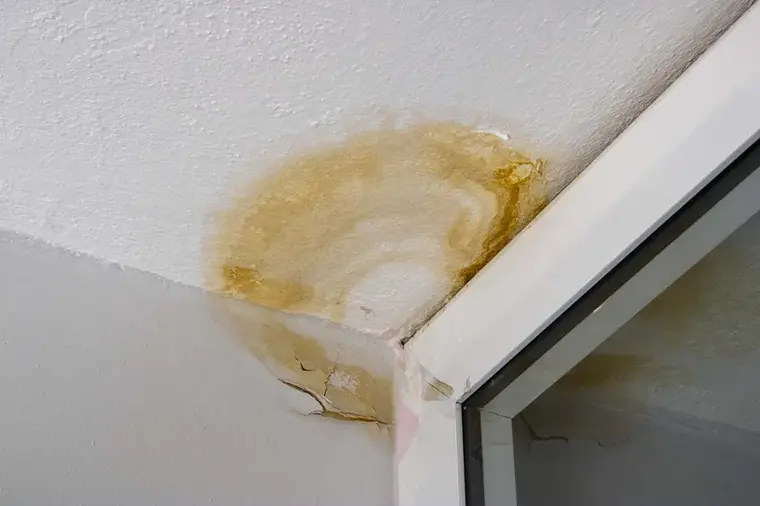
Buckets and towels under drips, and move furniture and electronics out of the way.
If water shows at a ceiling fixture, switch that circuit off at a dry panel.
A roofer or the building super arranges a tarp or temporary patch; the inside dry-out runs alongside.
Stains, drips and any visible roof damage, with dates, go into the claim file.
In Woodside, NY, roof leak water damage cleanup typically runs $900 to $3,500 for one top-floor room, and $3,500 to $9,000 when insulation and several rooms are soaked. How long the roof leaked, wet insulation and plaster versus drywall set the number.
For a planning number on your own loss, try the water damage cost calculator. The final figure comes from the on-site walkthrough and the moisture map.
Thermal imaging shows how far the water spread across the ceiling and down the walls from the parapet.
Wet insulation and soaked ceiling sections come out so the cavity can dry.
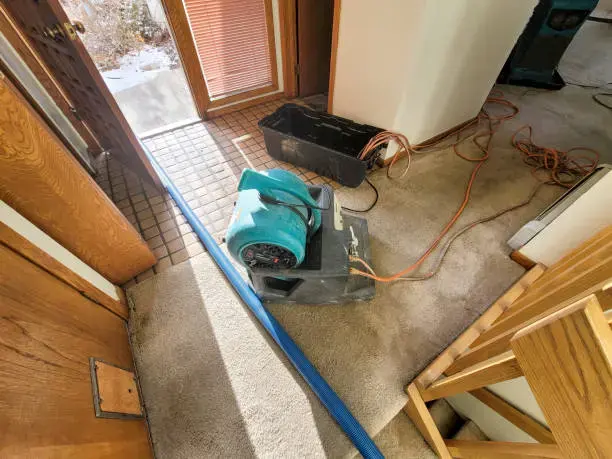
Air movers and LGR dehumidifiers dry the ceiling cavity, walls and flooring below.
Daily readings continue until the structure meets the drying goal, then the roof repair and rebuild follow.
Look down any Woodside block from the 7 train and the roofs are mostly flat: tar, modified bitumen or rubber membranes behind short parapet walls. They work well until a seam opens, a drain clogs, or the flashing where the parapet meets the roof pulls loose.
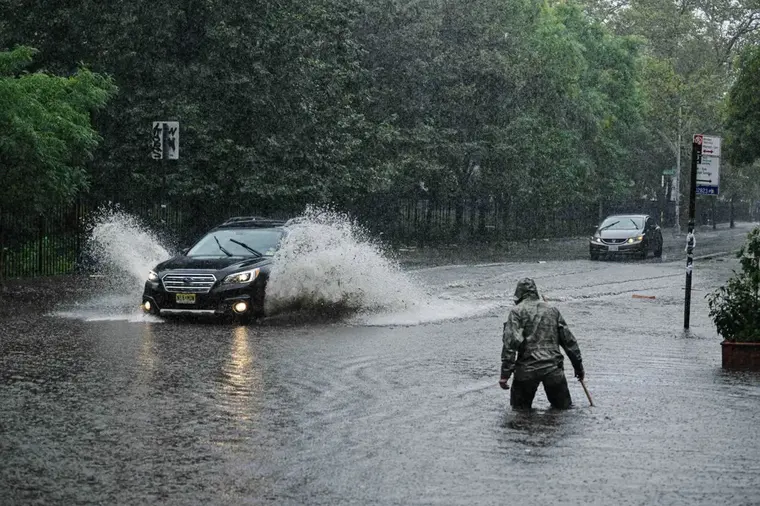
Heavy rain from nor'easters and summer storms, the same events described on the storm and flash flood page, is when most of these leaks show up.
Top-floor ceilings in Woodside often have insulation in the space under the roof deck. Wet insulation holds water against the ceiling and the framing for days. The mitigation team removes what is saturated so air can reach the cavity, then dries the ceiling, joists and the walls the water ran down. Rain that ran through old roofing and sat for a while is treated as Category 2.
A roofer fixes the roof; the restoration work happens inside at the same time. Tarping or a temporary patch stops new water, and the drying team keeps equipment running until readings say dry, not until the stain fades. Photos of the roof damage and the ceiling help the adjuster connect the two.
For storm safety, see the National Weather Service flood safety page; building owners can find roof and facade rules through NYC Buildings.
The Woodside restoration crew works every section of 11377, from Winfield to Boulevard Gardens, plus Sunnyside, Jackson Heights, Elmhurst, Maspeth, Astoria, East Elmhurst.
See every Woodside section coveredRoof leaks usually show after rain and on the top floor, often near an exterior wall. Pipe leaks show any time. Thermal imaging and the weather history help tell them apart.
Saturated insulation usually does, because it holds water against the ceiling and slows drying. Damp areas at the edges can sometimes dry in place.
A roofer repairs the membrane, drains and flashing. The restoration team handles the water damage inside.
A contained leak often dries in three to five days once the roof is covered. Plaster and wet insulation add time.
Sudden storm damage is commonly covered, while wear and slow leaks often are not. Coverage depends on your policy, so it is worth checking with your own insurer.
Yes, once a tarp or patch stops new water. Drying and the roof repair usually run side by side.
Roof water sits in the insulation above the ceiling long after the rain stops. Drying the cavity is what prevents a second round of damage.