Is storm water in a basement considered clean?
No. Water that ran across streets or came up through drains is Category 3, so porous materials it touched are removed rather than dried.
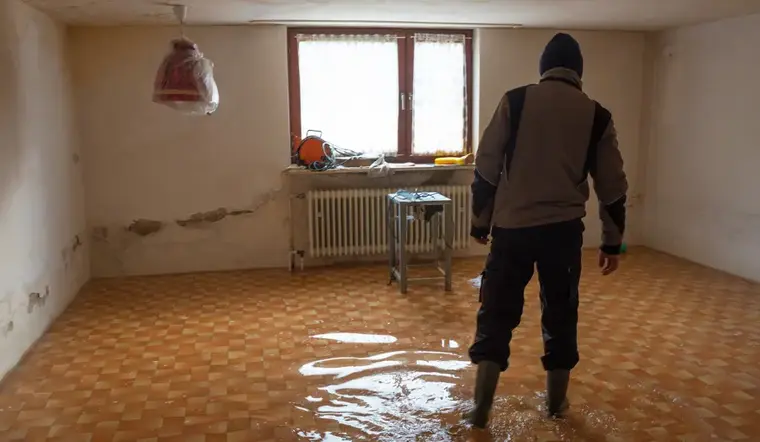
A summer cloudburst can put inches of water on Woodside streets in minutes, and it runs down areaway stairs, garage ramps and under cellar doors. The restoration team pumps it out, cleans it as Category 3 and dries the structure.
(888) 527-9860Flood water inside? Call the restoration team
Never go into a cellar where water covers outlets or is still rising. Flood water can carry current and sewage.
Carry valuables and people upstairs. Do not try to save contents from a flooding basement.
If the breaker panel is above the water and you are standing dry, turn off the flooded area.
Photos and video of the water level inside and outside the building support the claim.
In Woodside, NY, storm and flash flood cleanup typically runs $3,000 to $9,000 for one flooded cellar, and $9,000 to $20,000 or more when a finished basement unit or a storefront took water. Depth, square footage and how much finish material had to come out set the number.
For a planning number on your own loss, try the water damage cost calculator. The final figure comes from the on-site walkthrough and the moisture map.
Submersible pumps and truck-mounted extraction bring the water down once the storm passes and the street drains.
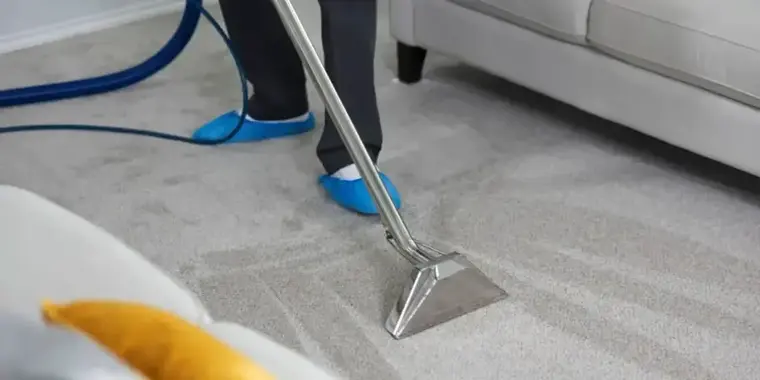
Silt and debris come out, then porous materials the floodwater touched: drywall to a flood cut, carpet, insulation.
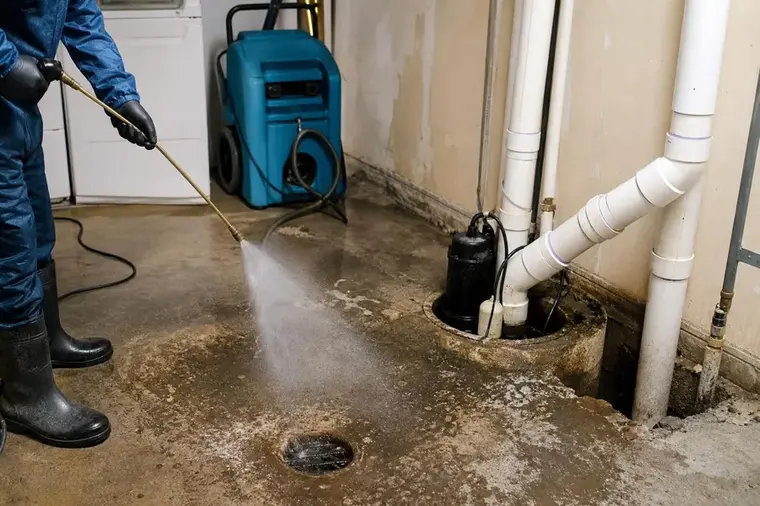
Surfaces are washed and treated with an EPA-registered antimicrobial; HEPA air scrubbers run during the work.
LGR dehumidifiers, air movers and desiccants for masonry run until readings meet the drying goal.
Woodside is not on the waterfront, so its floods come from the sky. The remnants of Hurricane Ida in September 2021 and the rainstorm of September 29, 2023 both dropped more rain in a few hours than the streets and sewers could carry, and water went where it always goes: into the lowest rooms.
Attached houses often have a stair down to an areaway door, a garage ramp that slopes toward the house, or a cellar window at sidewalk level. In a cloudburst, each one becomes a funnel. Low crossings under the rail viaduct and the elevated 7 pond quickly, and the combined sewer can push water up floor drains at the same time.
The city tracks flood risk on NYC flood maps, including stormwater flooding away from the coast.
Floodwater that ran across streets is Category 3. It carries oil, road grit and often sewage, so the extraction crew treats it that way: porous materials come out, surfaces are washed and treated, and HEPA air scrubbers run during removal. Mud and silt left on the slab get shoveled and washed before drying equipment goes down.
Brick and concrete soak up a lot of water and give it back slowly. The drying team sizes LGR dehumidifiers to the space and brings in desiccant units for Class 4 materials when the readings stall. Equipment stays until the walls and slab read within 2 to 4 points of a dry reference, which in a stone-cold cellar can take longer than an upstairs room.
Rising surface water falls under flood coverage rather than a standard homeowners policy, which Ready.gov explains in its flood preparation notes. Coverage depends on your policy, so it is worth checking with your own insurer.
The Woodside restoration crew works every section of 11377, from Winfield to Boulevard Gardens, plus Sunnyside, Jackson Heights, Elmhurst, Maspeth, Astoria, East Elmhurst.
See every Woodside section coveredNo. Water that ran across streets or came up through drains is Category 3, so porous materials it touched are removed rather than dried.
As soon as the street has drained and it is safe to enter. After 24 to 48 hours, growth on wet materials becomes a concern.
Rising surface water usually falls under flood insurance, while backup through drains may need a sewer backup endorsement. Coverage depends on your policy, so it is worth checking with your own insurer.
Yes. Masonry takes longer, so crews use LGR dehumidifiers and desiccants and track readings until the walls reach the drying goal.
Clearing areaway drains, raising door thresholds, sealing cellar windows and adding a backwater valve all help. The restoration file records where the water entered.
Porous items touched by floodwater, such as mattresses, upholstered furniture and paper, are usually discarded and photographed. Hard items can often be cleaned.
Floodwater carries street runoff and sewage. The faster it is pumped and the building cleaned, the less has to come out.