How can you tell a pipe is frozen?
A faucet that gives a trickle or nothing on a cold morning, frost on an exposed pipe, or a bulge in the line are the usual signs.
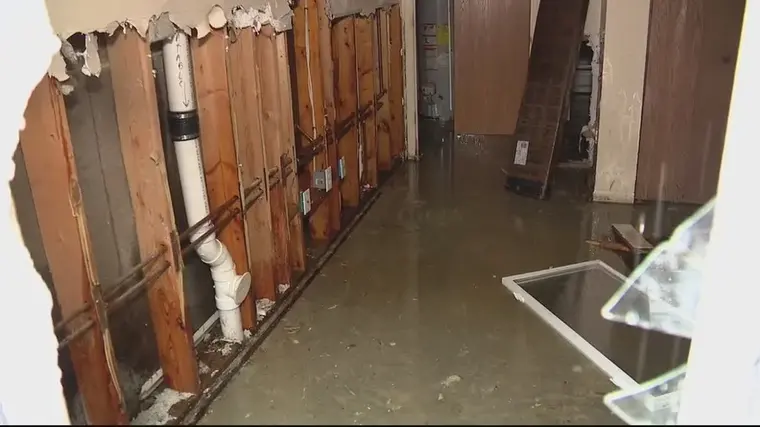
A frozen pipe does its damage when it thaws. The restoration team extracts the water, finds how far it ran behind the plaster and dries the cavity before winter cold slows everything down.
(888) 527-9860Pipe froze and split? Call now
If a pipe is frozen and split, close the main now. The flood starts when the ice melts.
Warm frozen pipes with room heat or a hair dryer, never a torch near old framing.
If water reaches fixtures or outlets, cut those circuits at a dry panel.
Photos of the split pipe and the wet area help the plumber and the claim.
In Woodside, NY, frozen pipe cleanup typically runs $1,000 to $4,500 when a single break soaked one wall and room, and $4,500 to $11,000 when water ran down through a ceiling or into a finished cellar. Where the pipe ran, how long it leaked after the thaw and the materials involved set the number.
For a planning number on your own loss, try the water damage cost calculator. The final figure comes from the on-site walkthrough and the moisture map.
Thermal imaging traces the water from the break through the wall, the ceiling below and the floor.
The extraction crew removes standing water and lifts wet carpet and pad.
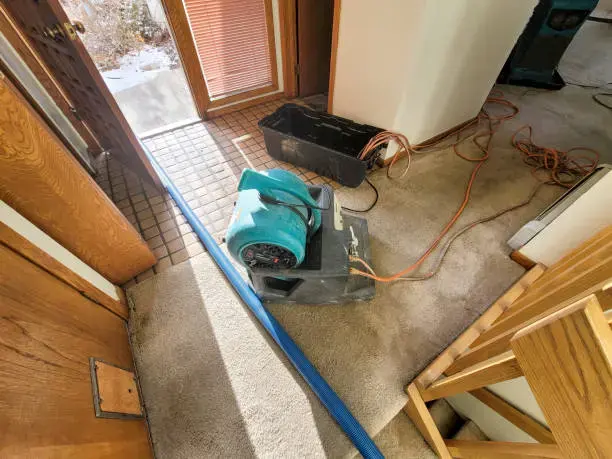
Air movers and LGR dehumidifiers run with the room kept warm, since cold air holds little moisture and slows drying.
Readings are logged daily until the framing and finishes reach the drying goal.
Woodside winters are milder than upstate, but a few nights in the teens are enough. The pipes that freeze are the ones the heat does not reach: lines in exterior walls, in an enclosed front vestibule, in a garage under an attached house, or in a cellar with a broken window.
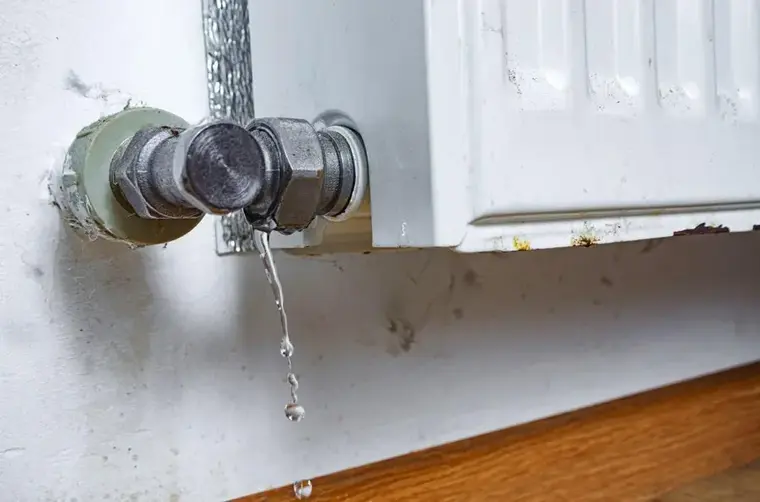
Steam-heated buildings have their own winter failures; the radiator and boiler leak page covers those.
Ice in a pipe expands and splits it, but the ice also plugs the split. When the pipe warms, water runs at full pressure through the crack. Most frozen pipe losses are found hours later, when water shows through a ceiling or pools on a floor, so the extraction crew expects water to have run farther inside the wall than it looks from the room.
Cold air holds very little moisture, so a freezing room dries slowly no matter how many fans run. The drying team keeps the space warm, pairs air movers with LGR dehumidifiers, and checks readings daily against a dry reference. Clean water from a supply pipe is Category 1 at first, which means walls and floors often dry in place when the work starts early.
The National Weather Service cold safety page and Ready.gov winter weather both list ways to keep pipes from freezing in the first place.
The Woodside restoration crew works every section of 11377, from Winfield to Boulevard Gardens, plus Sunnyside, Jackson Heights, Elmhurst, Maspeth, Astoria, East Elmhurst.
See every Woodside section coveredA faucet that gives a trickle or nothing on a cold morning, frost on an exposed pipe, or a bulge in the line are the usual signs.
Close the main first. Gentle heat such as room heat or a hair dryer is fine; never use an open flame near old framing.
Ice plugs the split until it melts. The water flows once the pipe warms, often in the middle of the day.
A contained loss often dries in three to five days in a warm room. Cold rooms, plaster and hardwood take longer.
It is often covered when the home was heated and maintained, but policies vary on vacant or unheated buildings. Coverage depends on your policy, so it is worth checking with your own insurer.
Insulating exterior-wall pipes, closing inside valves to hose bibs, keeping cabinet doors open on cold nights and fixing broken cellar windows.
Cold rooms dry slowly. Getting heat, air movement and dehumidification going early keeps the loss small.