Is basement flood water always sewage?
Not always, but water that came up through a floor drain or toilet, or ran in from the street, is Category 3. Crews treat it that way until the source proves otherwise.
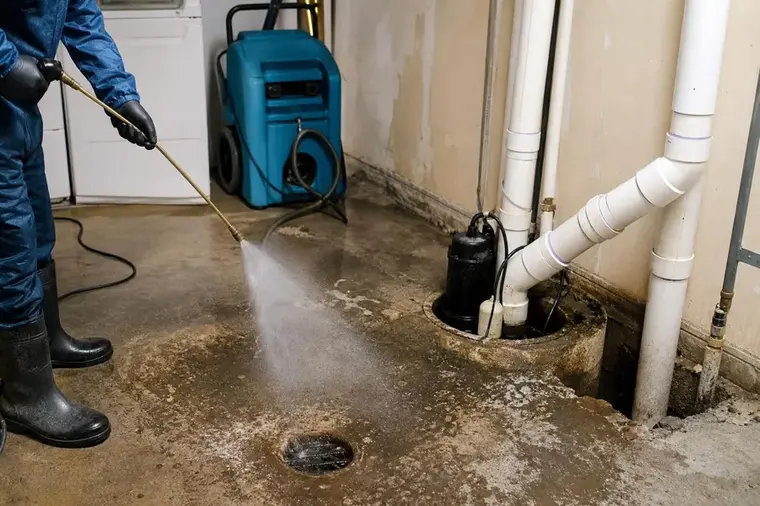
A basement unit floods from three directions: up through the floor drain, in through the areaway door, and down through the cellar walls. The restoration team extracts, cleans and dries each route to the IICRC S500 standard.
(888) 527-9860Water in the basement unit? Call now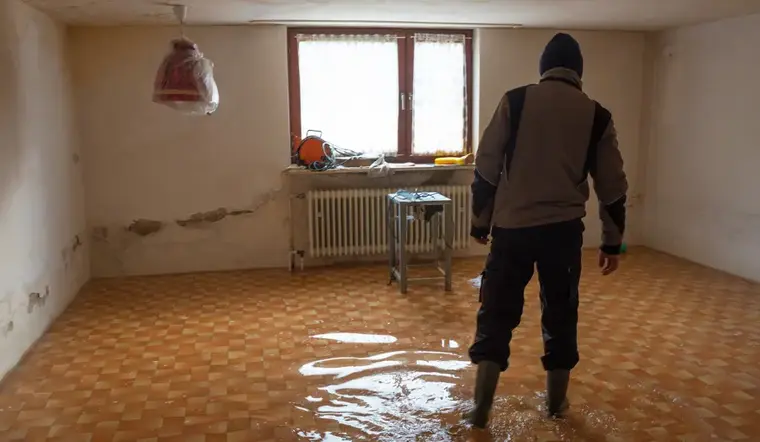
If water is rising or covers outlets and extension cords, everyone leaves the unit before anything else.
Water that came up through a floor drain or toilet is sewage. Keep kids and pets out and do not wade in it.
Cut the unit breaker only if the panel sits above the water. Otherwise wait for help.
Photograph the height of the water on walls, doors and furniture before anything is moved.
In Woodside, NY, basement apartment flood cleanup typically runs $2,500 to $8,000 for a clean-water loss and $6,000 to $15,000 or more when sewage or storm water filled the unit. Category, square footage and how much finish material came out set the number.
For a planning number on your own loss, try the water damage cost calculator. The final figure comes from the on-site walkthrough and the moisture map.
The tech who does the walkthrough identifies whether the water came from the drain, the door, the walls or a pipe, because that sets the category.
Contaminated water gets containment and PPE, then truck-mounted extraction pulls the unit and the cellar dry.
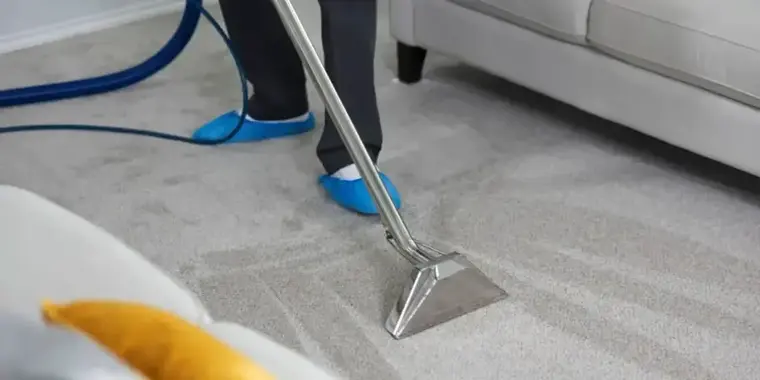
Porous materials touched by Category 3 water come out, usually drywall to a flood cut, carpet and pad; surfaces get an EPA-registered antimicrobial.
Air movers, LGR dehumidifiers and, for dense masonry, desiccants run until daily readings hit the drying goal.
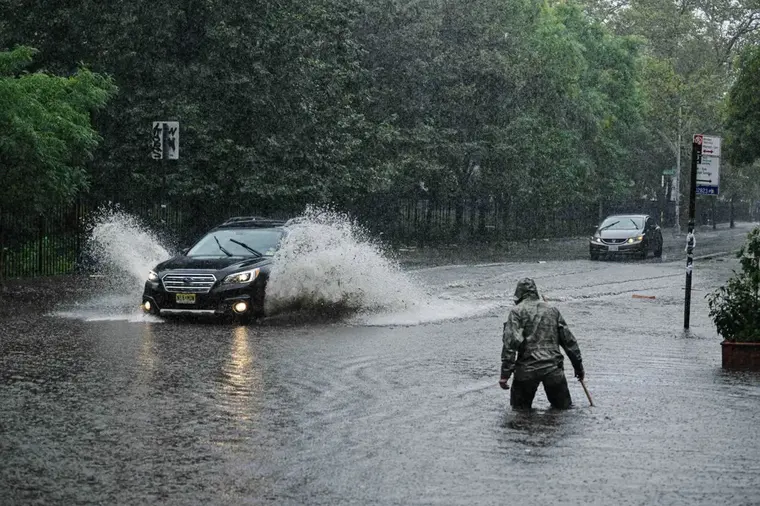
Woodside has thousands of rooms below the sidewalk: finished cellars, family rooms and rented units under attached two-family houses. When the remnants of Hurricane Ida hit Queens in September 2021, basement apartments were where the water did its worst, and the storm of September 29, 2023 flooded many of the same blocks again.
Most of Woodside drains to a combined sewer that carries rain and household waste in the same pipe. In a cloudburst that pipe fills, and water looks for the lowest opening, which is often a basement floor drain or toilet. At the same time, street water can pour down an areaway stair and under the door.
The city explains the combined system on the NYC DEP combined sewer overflow page.
Because below-grade water so often mixes with sewage, the mitigation team treats it as Category 3 until the source is confirmed clean. Porous materials it touched come out: carpet and pad, drywall to a flood cut above the waterline, insulation and anything upholstered. Hard surfaces are cleaned and treated with an EPA-registered antimicrobial at its label dwell time.
If the water came from a supply pipe or a failed water heater instead, more can be dried in place. The walkthrough decides which path the job takes.
Cellar air is cool and damp, and masonry walls hold water, so basement drying takes longer than an upstairs room. The drying team runs LGR dehumidifiers sized to the space, adds desiccant units for dense materials when readings stall, and keeps air movers aimed at the wet walls and slab. Readings continue daily until the framing and slab sit within 2 to 4 points of a dry reference.
For flood safety before and after a storm, see Ready.gov flood guidance.
The Woodside restoration crew works every section of 11377, from Winfield to Boulevard Gardens, plus Sunnyside, Jackson Heights, Elmhurst, Maspeth, Astoria, East Elmhurst.
See every Woodside section coveredNot always, but water that came up through a floor drain or toilet, or ran in from the street, is Category 3. Crews treat it that way until the source proves otherwise.
After clean-water losses it often can. After storm water or backflow, drywall is cut above the waterline and replaced because it is porous and was contaminated.
A contained clean-water loss often dries in three to five days. Masonry, slab and Category 3 jobs with removal usually run longer, and the readings decide when it is done.
A plumber can install a backwater valve on the building sewer, and sealing areaway drains and door thresholds helps. The restoration team documents where the water entered.
Water that backs up through a drain usually needs a sewer backup endorsement, and rising surface water falls under flood coverage. Coverage depends on your policy, so it is worth checking with your own insurer.
Hard, non-porous items can usually be cleaned. Mattresses, upholstered furniture and cardboard touched by Category 3 water are normally discarded and photographed for the claim.
Below-grade water rarely stays clean. Getting it out fast limits how much drywall, flooring and furniture has to go.