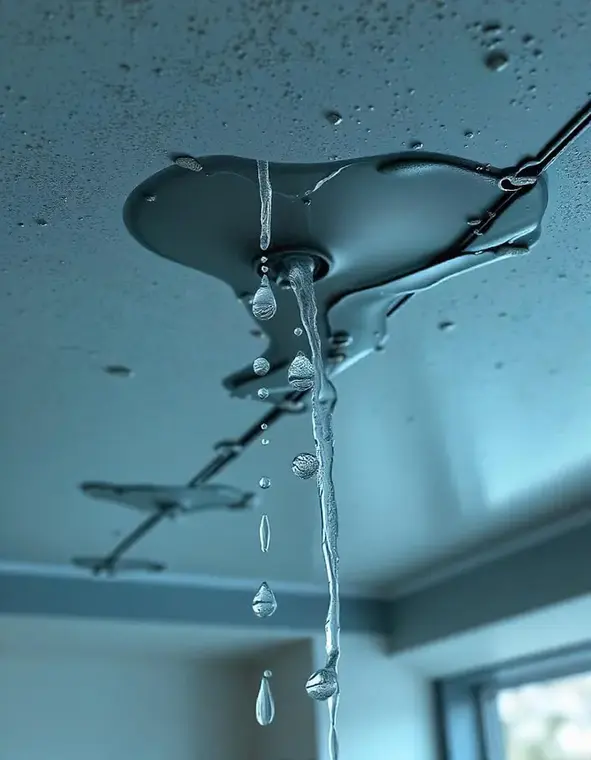
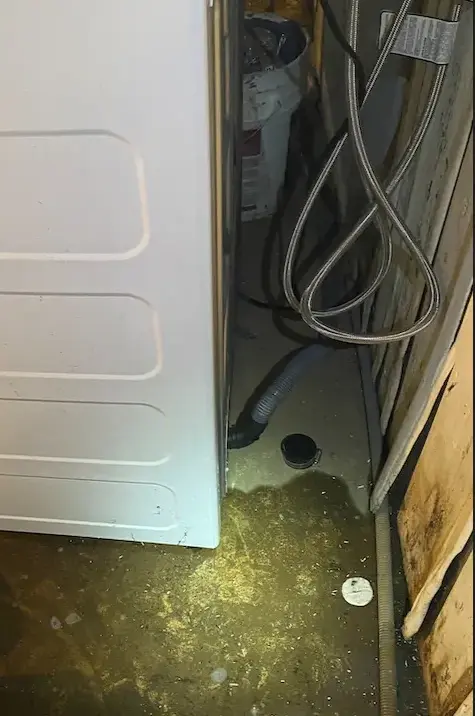
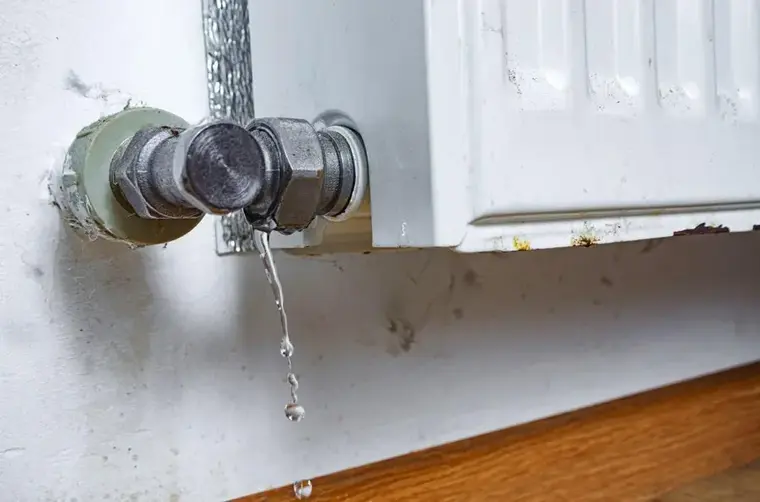
Who is responsible when water comes from the apartment above?
It depends on the cause, the lease or proprietary lease, and each policy. The restoration file documents the source so the owners and insurers can sort it out.
In a walk-up, a co-op or a two-family house, water rarely respects the unit line. The restoration team dries every unit it reached and documents each one, because each may have its own owner and insurer.
(888) 527-9860Water from the unit above? Call now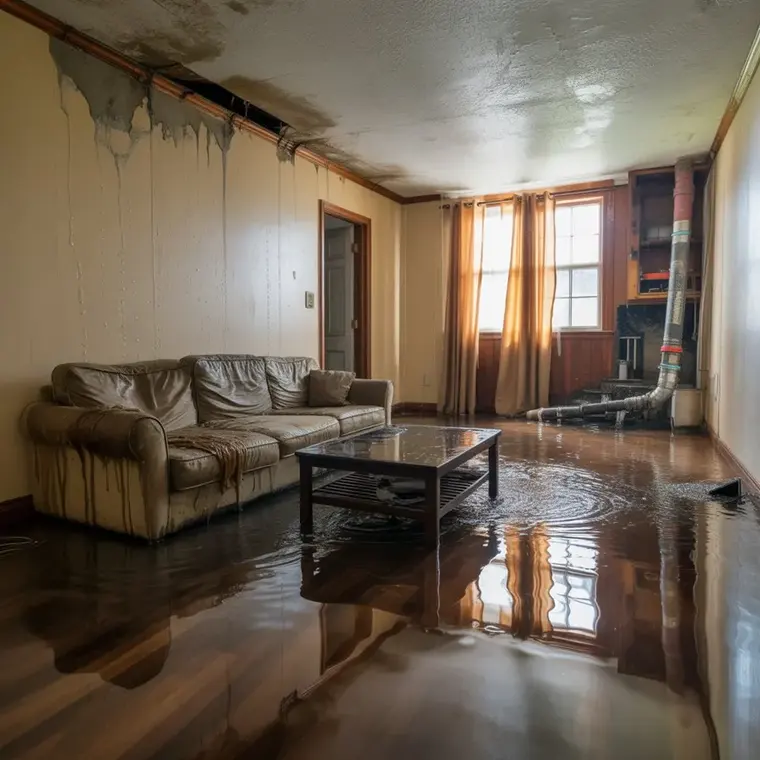
Knock upstairs or next door, and tell the super or building management so the right valve gets closed.
Move electronics and furniture away from drips and off wet flooring.
Water through a fixture means that circuit stays off.
Photos with dates in your unit, and ask the source unit to photograph theirs.
In Woodside, NY, a unit-to-unit leak typically runs $1,500 to $5,000 when two apartments are affected, and $5,000 to $15,000 or more when a riser or stack reaches several floors. The number of units, the source and the materials involved set the number.
For a planning number on your own loss, try the water damage cost calculator. The final figure comes from the on-site walkthrough and the moisture map.
The tech who does the walkthrough maps moisture in the source unit and every unit below or beside it.
Standing water comes out, and sagging ceilings are brought down under control.
Each unit gets its own air movers and LGR dehumidifiers so the drying runs at the same time.
Readings, photos and the scope are kept separately for each unit and owner.
Woodside is full of shared walls and stacked floors: two-family houses with a tenant upstairs, pre-war walk-ups along Skillman and Woodside Avenues, garden apartments at Boulevard Gardens and co-ops toward Queens Boulevard. A leak in one kitchen can end up in three ceilings.
Water moves down through ceilings and floors, so the source unit is rarely the worst hit. The response team maps every affected apartment, sets equipment in each and runs the drying in parallel. Ceilings that sag come down; the rest are dried in place when readings allow. Where a drain stack or toilet was the source, the affected material is treated as contaminated and removed.
A unit-to-unit leak often involves the source owner, the affected owner, the building and sometimes a co-op board, each with their own insurer. The restoration file keeps each unit separate: its moisture map, its daily readings, its photos and its scope. That makes it easier for each adjuster to see what happened in the space they cover. Coverage depends on each policy, so it is worth checking with your own insurer.
Tenants and owners can find rules for repairs and conditions in rental buildings through NYC Housing Preservation and Development, and building systems through NYC Buildings.
The Woodside restoration crew works every section of 11377, from Winfield to Boulevard Gardens, plus Sunnyside, Jackson Heights, Elmhurst, Maspeth, Astoria, East Elmhurst.
See every Woodside section coveredIt depends on the cause, the lease or proprietary lease, and each policy. The restoration file documents the source so the owners and insurers can sort it out.
Your unit can be dried, but the source still has to be stopped, usually by building staff closing the right valve.
Water runs along pipes and joists and down through each floor, so it often appears far from where it started.
Yes. Each unit gets its own moisture map, readings, photos and scope.
Units are dried in parallel, so a contained leak often dries in three to five days; stack or riser leaks take longer.
Drain stack water is Category 2 or 3, so porous materials it touched are removed and the area is treated.
Multi-unit leaks get complicated fast. Clear readings and photos for every unit keep the claims straight.