Is it safe to clean up a small sewage backup myself?
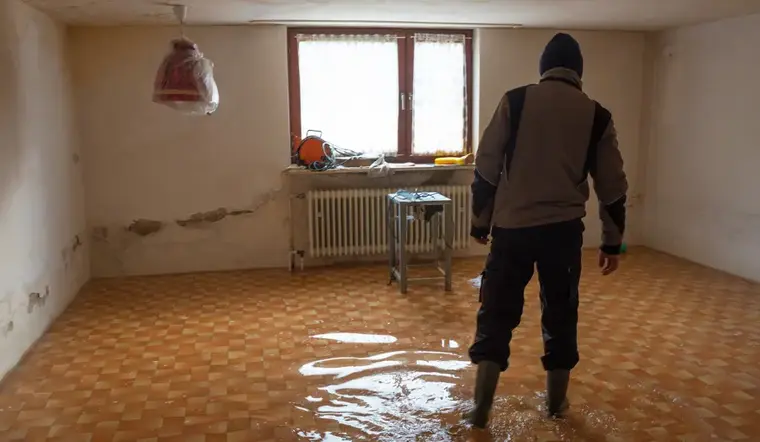
A few ounces on a sealed floor can be handled with gloves, boots and a disinfectant. Anything that soaked carpet, drywall or a finished room is Category 3 work that needs containment and removal.
Sewage backup is Category 3 the moment it happens. The mitigation team contains the area, removes what the water touched, disinfects and dries, so the cellar is safe to use again.
(888) 527-9860Call for sewage backup cleanup in Queens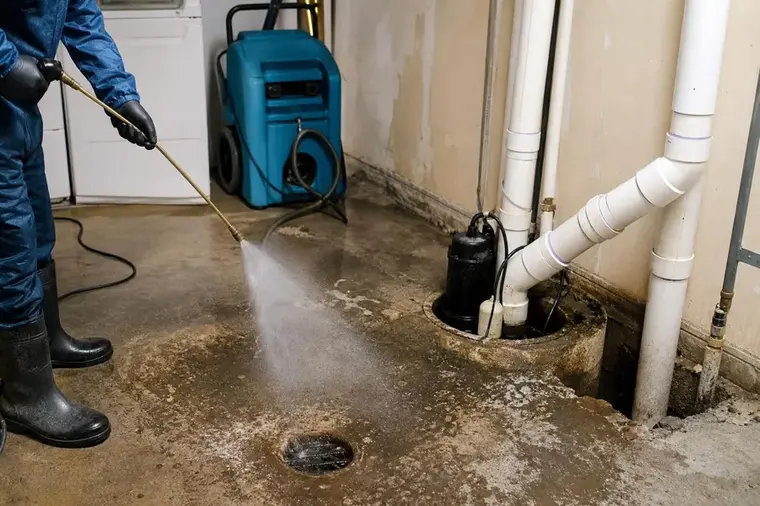
Every flush and shower in the building adds to the backup. Tell the other floors to hold off.
Sewage carries bacteria and viruses. Nobody walks through it without boots, gloves and eye protection.
Moving air spreads contaminated droplets. Close the cellar door and leave the air alone.
Close-ups of the floor drain, toilet or cleanout and the height of the water help the claim.
In Woodside, NY, sewage backup cleanup typically runs $2,000 to $6,000 for a contained backup at one drain, and $6,000 to $15,000 or more when a finished cellar or basement unit is involved. Square footage, how much finish material comes out and how long the water sat set the number.
For a planning number on your own loss, try the water damage cost calculator. The final figure comes from the on-site walkthrough and the moisture map.
The mitigation team seals the work area with poly sheeting, sets negative air with HEPA air scrubbers and suits up before touching the water.
Sewage water is extracted, then porous materials it touched come out: carpet, pad, drywall to a flood cut, insulation and boxed contents.
Hard surfaces are scrubbed and treated with an EPA-registered antimicrobial left for its full label dwell time.
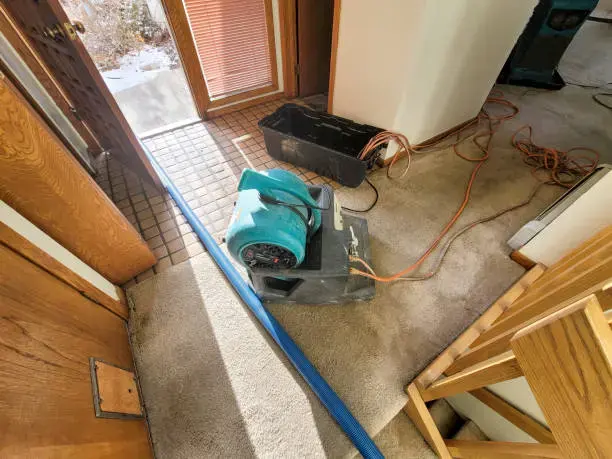
Air movers and LGR dehumidifiers dry the cleaned structure; readings and photos go into the claim file.
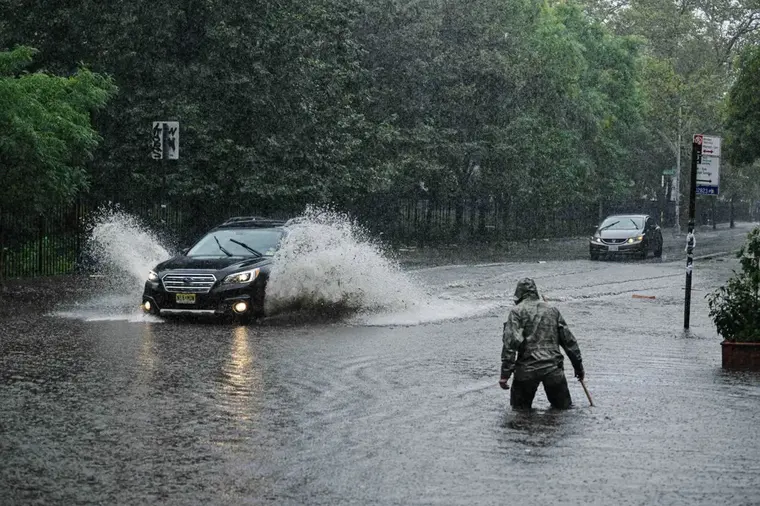
In Woodside a sewage backup usually has one of two causes: the building's own sewer line is blocked, or the city sewer is full during heavy rain and water pushes back up the lowest drain in the house. Either way it lands in the cellar, and either way the rules are the same.
Most of New York City, Woodside included, runs on a combined sewer that carries storm water and household waste in one pipe. When a cloudburst drops more rain than the pipes can carry, the system surcharges, and water rises in the building sewer until it finds an opening: a floor drain, a basement toilet, a laundry sink. The NYC Department of Environmental Protection explains how the combined system and its overflows work.
Sewage is Category 3 the moment it happens, so nothing porous that it touched gets dried and put back. The response team works in PPE behind containment, runs HEPA air scrubbers, extracts the water, and cuts drywall above the wet line. Carpet, pad, insulation and upholstered items go out in sealed bags. Concrete, tile and framing are scrubbed and treated with an EPA-registered antimicrobial at its label dwell time before any drying starts.
If a basement apartment was involved, the unit stays empty until cleaning and drying are complete and the readings are logged.
A plumber can camera the sewer line to find a blockage or break, and a backwater valve on the building sewer closes when the street sewer backs up. The restoration file notes where the water entered, which helps both the plumber and the adjuster. Sewer backup is often a separate endorsement on a homeowners policy, so coverage depends on your policy, and it is worth checking with your own insurer.
For health and safety basics during flood cleanup, see OSHA flood and cleanup hazards.
The Woodside restoration crew works every section of 11377, from Winfield to Boulevard Gardens, plus Sunnyside, Jackson Heights, Elmhurst, Maspeth, Astoria, East Elmhurst.
See every Woodside section coveredA few ounces on a sealed floor can be handled with gloves, boots and a disinfectant. Anything that soaked carpet, drywall or a finished room is Category 3 work that needs containment and removal.
Porous materials the water touched: carpet and pad, drywall below the cut line, insulation, mattresses, upholstered furniture and cardboard. Hard, non-porous items can usually be cleaned.
Woodside sits on a combined sewer. When rainfall overwhelms it, water rises in the building sewer and comes out the lowest drain, which is usually in the cellar.
A properly installed backwater valve closes when the city sewer surcharges, which blocks most rain-driven backflow. It needs regular checks to keep working.
A contained backup is often cleaned in a day and dried in three to five more. A finished basement unit with removal and rebuilding takes longer.
Many policies need a sewer backup endorsement. Coverage depends on your policy, so it is worth checking with your own insurer; the claim file with photos and logs supports either way.
Category 3 water soaks into everything porous it touches. Containment and removal early keep the damage to one room.