How do I stop a leaking water heater?
Close the cold supply valve at the top of the tank, then turn the gas to off or pilot, or switch off the breaker for an electric unit.
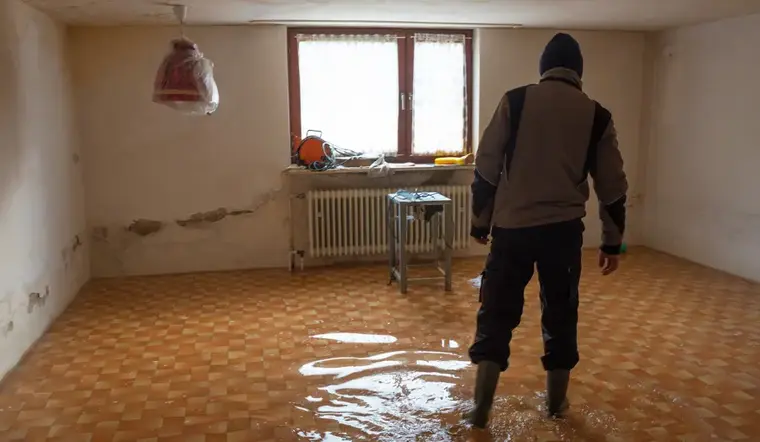
When a water heater tank rusts through or a relief valve lets go, it keeps refilling and emptying onto the floor. The extraction crew pulls the water out of the cellar or closet and dries the slab, walls and anything finished nearby.
(888) 527-9860Water heater flooding the cellar? Call now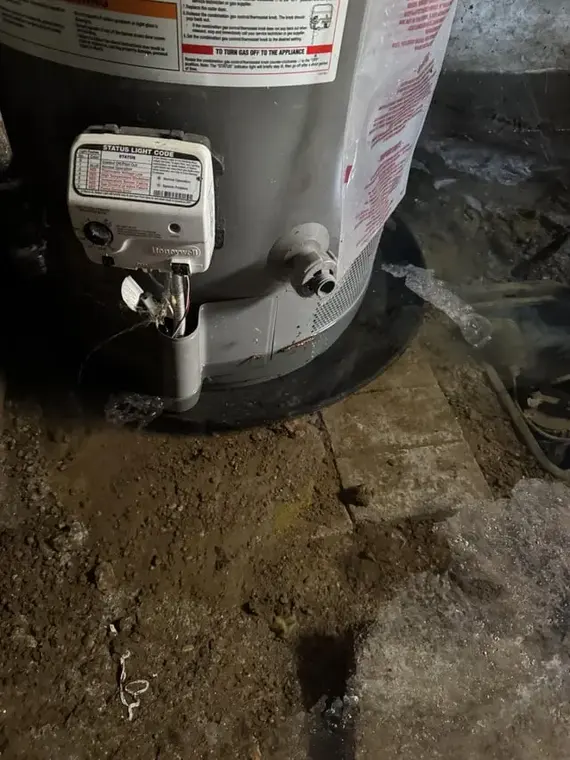
The valve on the cold pipe entering the top of the tank stops it from refilling. If you cannot reach it, close the main.
Turn the gas valve to pilot or off, or switch off the breaker for an electric heater.
Water near a failed tank can be scalding. Let it cool before stepping in.
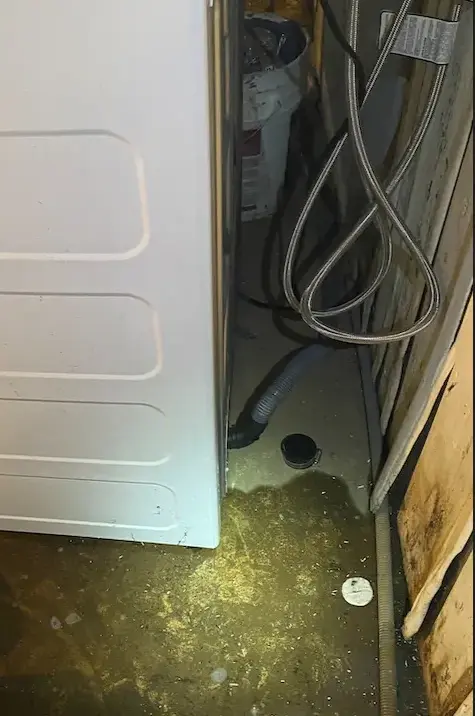
The rating plate, the leak point and the wet floor help the plumber and the claim.
In Woodside, NY, water heater failure cleanup typically runs $600 to $2,500 when the water stayed on an unfinished cellar floor, and $2,500 to $7,500 when it reached a finished room or basement unit. How long the tank ran, the square footage and finished materials set the number.
For a planning number on your own loss, try the water damage cost calculator. The final figure comes from the on-site walkthrough and the moisture map.
The tech who does the walkthrough confirms the supply is off and maps how far the water spread.
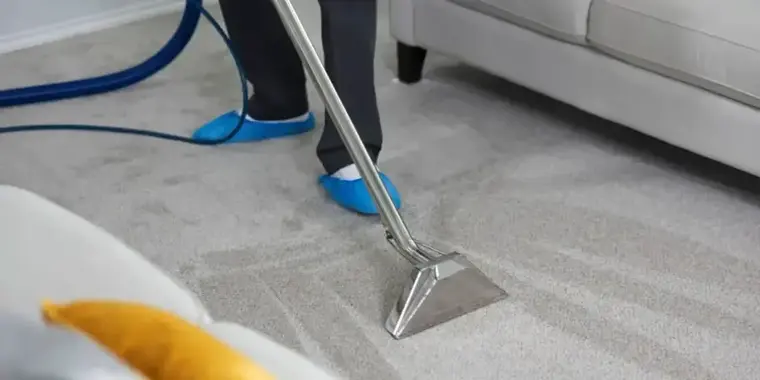
Truck-mounted or portable extraction clears the cellar floor, closet or finished room.
Air movers and LGR dehumidifiers dry the slab, the bottom of the walls and any flooring.
Photos of the tank, the moisture map and daily readings go into the file.
In most Woodside houses the water heater sits in the cellar next to the boiler, often a few feet from a finished room or a basement apartment. Tanks usually give warning, rust at the base or a drip from the relief pipe, but the final failure tends to happen at night.
Energy Saver covers water heater types and upkeep, and a plumber handles the replacement itself.
Water from the tank is clean at first, Category 1, so much can be dried rather than removed if the work starts quickly. The extraction crew clears the floor, lifts wet carpet and pad in finished rooms, and pulls baseboards where water wicked into the drywall. On a bare concrete floor, drying is mostly about the slab and the base of the walls.
If the cellar also has a floor drain that backed up during the leak, the job changes; see sewage backup cleanup.
Some apartments and renovated houses keep a heater in a closet upstairs. When those fail, water runs through the floor into the ceiling below, and the drying team dries both levels at once. The moisture map from the walkthrough shows how far it went.
Newer tanks with a drain pan and leak sensor catch many failures early; EPA WaterSense has more on water-saving fixtures and appliances.
The Woodside restoration crew works every section of 11377, from Winfield to Boulevard Gardens, plus Sunnyside, Jackson Heights, Elmhurst, Maspeth, Astoria, East Elmhurst.
See every Woodside section coveredClose the cold supply valve at the top of the tank, then turn the gas to off or pilot, or switch off the breaker for an electric unit.
Water straight from the tank is Category 1. If it mixed with a floor drain backup or sat for days, it is treated as Category 2 or 3.
Often, if the leak is caught early. Pad is usually replaced, carpet can be dried and cleaned.
A cellar slab and walls often dry in two to four days; finished rooms usually take three to five.
A plumber replaces the tank. The restoration team extracts and dries the damage it caused.
Water damage from a sudden tank failure is commonly covered, while the tank itself often is not. Coverage depends on your policy, so it is worth checking with your own insurer.
A failed tank keeps refilling until someone closes the valve. Extraction and drying early keep a leak from becoming a flooded basement unit.